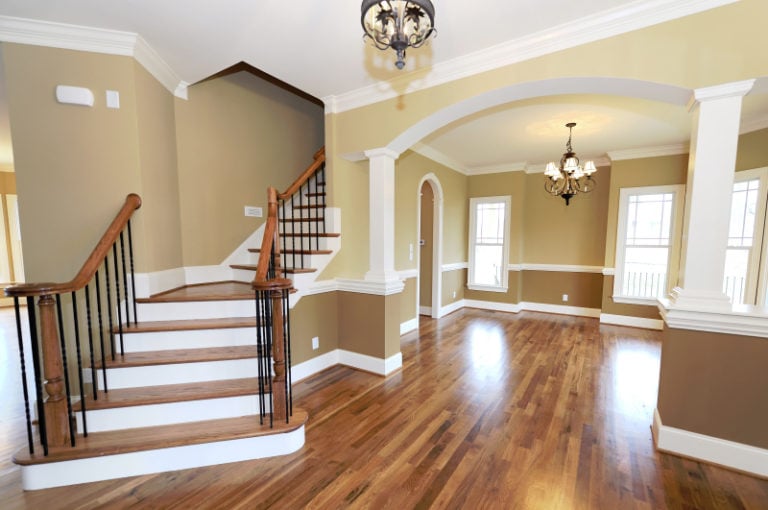
When it comes to enhancing the aesthetic appeal and value of your home, professional painting services play a vital role. Residential painters in Ashmore offer premium home painting services that not only beautify your living space but also protect it from the elements. This article explores the quality of work, reliability, and customer satisfaction that define these services, as well as the diverse options available for homeowners. Understanding the benefits of hiring professional painters can help you make informed decisions that elevate your home’s appearance and longevity.
Quality of Work
The quality of work provided by residential painters is key to ensuring a lasting finish that enhances the beauty of your home. Professional painters use high-quality materials and techniques to achieve excellent results. Attention to detail is a hallmark of their service, making sure every corner and surface is carefully covered. This commitment to excellence not only improves the visual appeal of your home but also helps protect it over time.
Premiere Painters, a trusted name in the industry, exemplifies this dedication to quality. Their team is skilled in a range of painting techniques, ensuring each project meets high standards. This focus on quality means homeowners can feel confident their investment will deliver lasting results.
Reliability
Reliability is an important factor when choosing a painting service. Homeowners want to know their projects will be completed on time and run smoothly. Professional painters in Ashmore are known for being punctual and keeping clear communication throughout the project. They provide straightforward timelines and updates, so homeowners can feel assured about the progress of their painting work.
If you’re interested in booking services, getting in touch withPremiere Paintersis easy. Their reliable approach means you can plan your painting project with confidence, knowing the team will work efficiently and professionally.
Customer Satisfaction
Customer satisfaction is at the heart of any successful painting service. Professional painters focus on the needs and preferences of their clients, offering flexible scheduling and a hassle-free experience. They aim to meet client expectations to ensure homeowners are happy with the final results.
This dedication to customer satisfaction is clear in the positive feedback received byPremiere Painters. Their commitment to meeting client needs has made them a trusted choice for residential painting in Ashmore.
Diverse Services
Residential painters offer a wide range of services to suit the unique needs of homeowners. These include interior and exterior painting, restoration painting, and specialised techniques tailored to different surfaces.
Homeowners can select from various options to ensure their painting project matches their vision and requirements. Whether refreshing the interior or boosting the exterior curb appeal, professional painters have the skills to deliver great results.
Visual Evidence of Quality
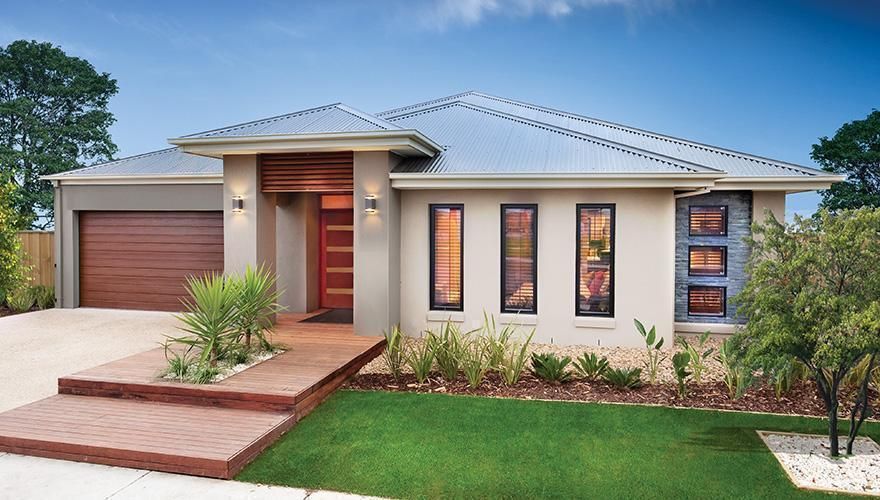
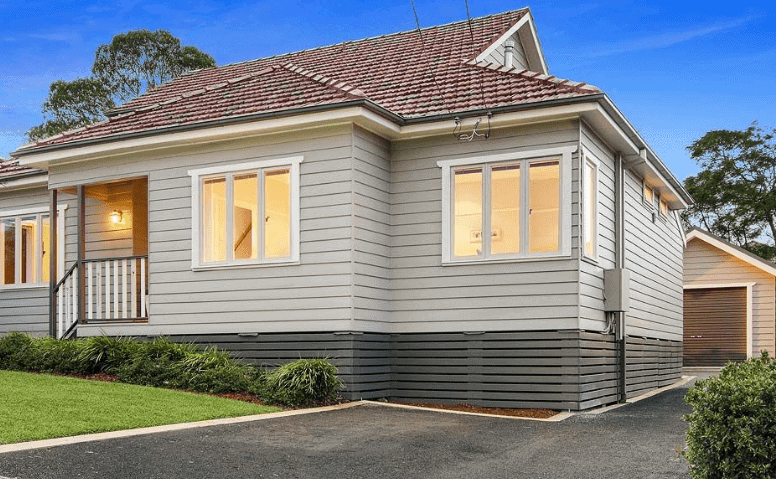
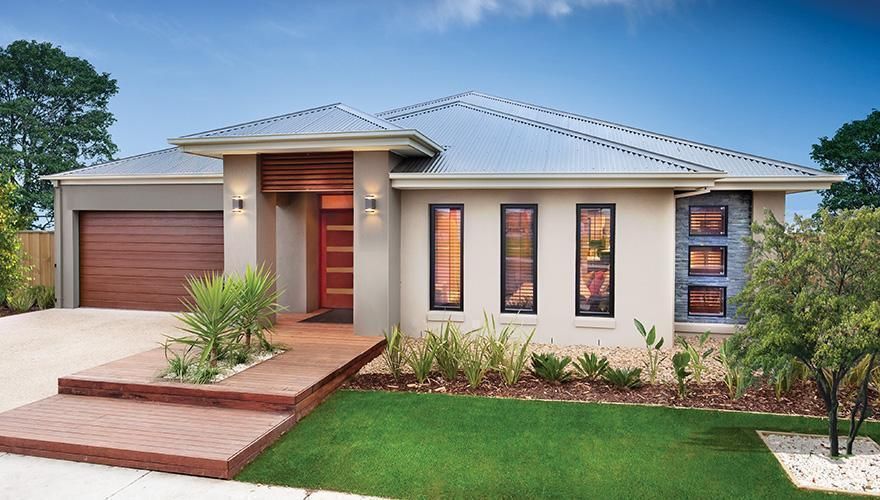
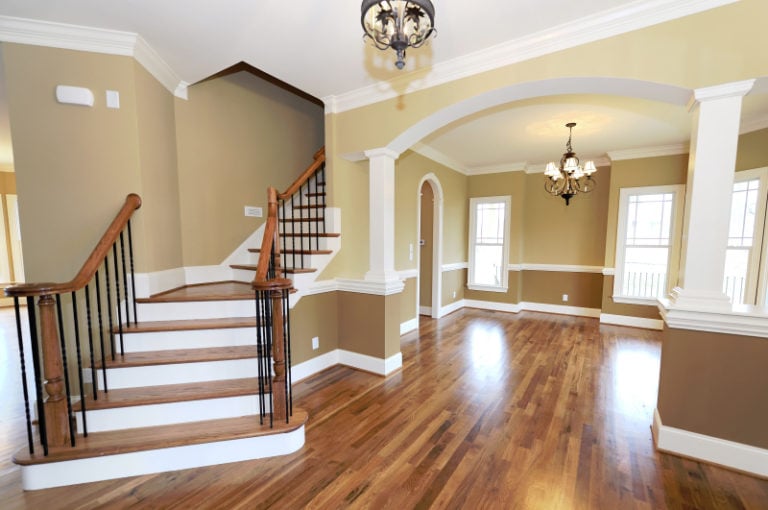
One of the best ways to judge the quality of a painting service is by looking at examples of their past work. Professional painters often share galleries of completed projects, allowing potential clients to see the quality of finishes and the variety of styles they can achieve.
This portfolio not only showcases their craftsmanship but also inspires homeowners planning a painting project. Seeing past work helps clients feel confident that the painter can meet their specific needs.
Eco-Friendly Options
Many homeowners today are interested in eco-friendly painting options. Professional painters in Ashmore increasingly offer low-VOC and natural paints that reduce environmental impact while still providing excellent coverage and durability.
These eco-friendly choices contribute to a healthier living environment and appeal to those wanting to reduce their carbon footprint. Homeowners can feel good about their painting choices while achieving beautiful results.
What Residential Painting Services Are Available in Ashmore?
Residential painting services in Ashmore cover a variety of options designed to meet homeowners’ needs. These services include:
- Interior Painting Solutions: Professional painters provide comprehensive interior painting services, ensuring every room reflects the homeowner’s style and preferences.
- Exterior Painting Options: Exterior painting services protect homes from the elements while enhancing curb appeal.
- Specialised Techniques: Many painters offer specialised techniques, such as texture application and decorative finishes, to create unique looks.
Interior Painting Solutions for Ashmore Homeowners
Interior painting focuses on transforming the inside of a home to create inviting and attractive spaces. Professional painters use a variety of paint types and techniques to ensure smooth finishes and vibrant colours. Preparation steps, like surface cleaning and priming, are important to achieve the best results.
Exterior Painting Options Tailored for Ashmore Residences
Exterior painting options are designed to withstand the local climate while improving the home’s appearance. Professional painters recommend specific paint types and colour schemes that complement the architectural style of Ashmore homes. Application techniques are carefully chosen to ensure durability and protection against weather conditions.
Understanding how paint durability interacts with local climate is important for ensuring the longevity of exterior finishes.
How Does Premiere Painters Ensure Quality and Customer Satisfaction?
Premiere Painters uses several approaches to maintain quality and keep customers happy throughout the painting process. Their commitment to excellence shows in their craftsmanship and choice of materials.
Expert Craftsmanship and Use of Premium Materials
The team atPremiere Paintersfocuses on using high-quality paints and thorough surface preparation. This attention to detail helps ensure every project meets high standards. They carefully check their work to make sure the final results meet client expectations.
Clear Communication and Smooth Project Management
Good communication is key to a successful painting project. Premiere Painters provides clear project plans and regular updates, keeping clients informed every step of the way. This smooth project management helps build trust and satisfaction between the painter and homeowner.
General Information About Home Painting in Ashmore
Painting costs can vary depending on the size of the project, the type of paint used, and the complexity of the work. It’s best to discuss your specific needs with the painting service to get an idea of what to expect. This way, you can plan your project with a clear understanding of the process and options available.
Factors That Influence Residential Painting
| Factor | Description | Impact |
| Surface Area | The total area to be painted affects the amount of paint and labour needed. | Larger areas generally require more resources. |
| Interior vs. Exterior | Exterior projects often require more preparation and durable materials. | Exterior work usually involves additional considerations. |
| Condition and Preparation Needs | Homes needing extra prep work will require more time and effort. | More preparation means a more thorough process. |
How to Request a Painting Quote from Premiere Painters
Getting in touch withPremiere Paintersis straightforward. Homeowners can contact the company to discuss their project details. Sharing information about the scope of work, preferred materials, and any special requests helps the team prepare an accurate and detailed plan tailored to your needs.
Why Choose Professional Painters in Ashmore for Your Home Painting Needs?
Hiring professional painters in Ashmore offers many benefits that improve the overall experience and outcome of your painting project.
Advantages of Hiring Local Ashmore Painting Experts
Local painters understand the specific conditions and styles that suit Ashmore homes. Their expertise means painting solutions are tailored to the local environment, resulting in better durability and appearance. Plus, working with local professionals often means competitive pricing and a more personalised service.
Customer Feedback and Trusted Reputation in Ashmore
Customer feedback is important for building trust and confidence. Many Ashmore homeowners have shared positive experiences withPremiere Painters, praising their timely work, clear communication, and quality finishes. This strong reputation highlights the value of choosing professional painters for your home projects.