Exterior Painters Brisbane & Gold Coast: How Long Does an Exterior Paint Job Really Last?
By Paul De Groot, Premiere Painters
When investing in an exterior paint job, understanding its longevity is crucial for homeowners in Brisbane and the Gold Coast. The lifespan of paint can greatly influence your aesthetic preference and maintenance schedules. In this guide, we will delve into the factors that affect the durability of an exterior paint job, specifically within these locales. You will learn about the impact of local weather, types of exterior paints, and maintenance practices to maximize the lifespan of your paint. This article will provide detailed insights into the elements that contribute to paint longevity, the best practices for maintenance, and how to choose reputable exterior painters for your project.
Key Factors Influencing Longevity:
The longevity of exterior paint jobs is contingent on several critical factors. Understanding these can help homeowners make informed decisions to protect their investments.
- Quality of Paint: Higher quality paints typically last longer due to better formulations that resist degradation.
- Surface Preparation: Properly preparing surfaces ensures better adhesion and durability.
- Environmental Exposure: Various elements like sun, wind, and rain particularly affect paint lifespan on exterior surfaces.
- Maintenance: Regular maintenance can greatly extend the life of your paint job.
These elements interact, making it essential for homeowners to consider them when planning an exterior painting project.
How Does Brisbane and Gold Coast Weather Affect Exterior Paint Durability?
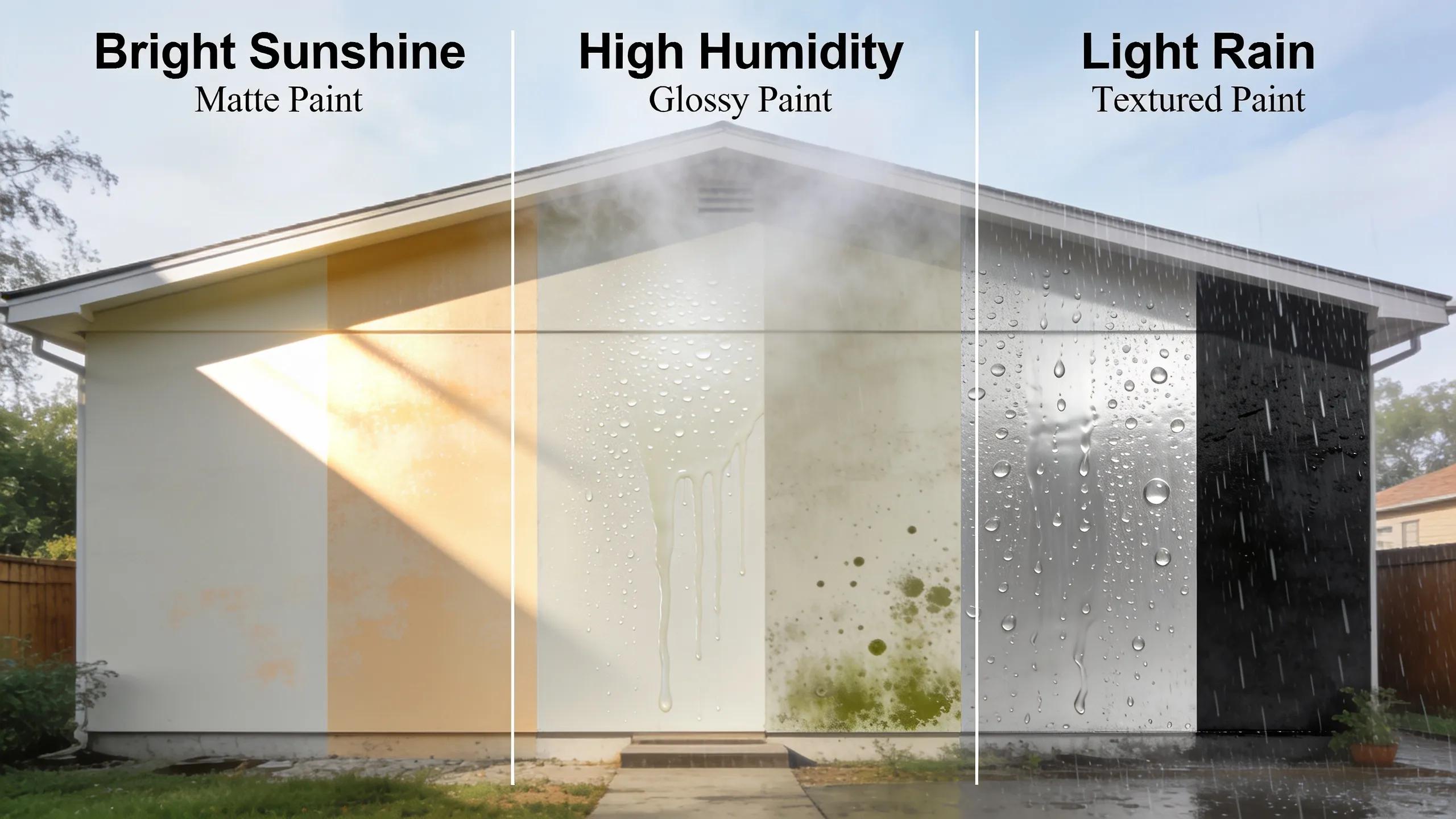
Local weather plays a significant role in how long exterior paint lasts. The humidity, extreme temperatures, and seasonal rains are key contributors to paint degradation.
Weather Conditions:
Brisbane and the Gold Coast experience unique weather patterns that influence the durability of exterior paint. High humidity can lead to paint issues such as bubbling or mildew, while UV exposure weakens the paint’s structural integrity. Furthermore, temperature fluctuations can cause the paint to expand and contract, leading to cracking. Homeowners should choose paints that can withstand these variable conditions to enhance longevity.
What Roles Do UV Exposure, Humidity, and Salt Air Play in Paint Degradation?
Many environmental factors contribute to the degradation of paint. In coastal areas such as the Gold Coast, salt air can accelerate corrosion, particularly on metal surfaces.
- UV Exposure: Prolonged exposure to sunlight can fade colors and weaken the paint film.
- Humidity: High humidity can promote mold and mildew growth, which leads to peeling and blistering.
- Salt Air: It is particularly corrosive, and paints on coastal properties should include additives to combat its effects.
Awareness of these factors can guide homeowners in selecting the right type of paint for their environment.
How Can Understanding Local Weather Help Choose Long-Lasting Paints?
Knowledge of local weather patterns assists in choosing suitable paint formulations. Homeowners should opt for products designed to withstand the climate’s specific challenges. For instance, selecting paints with high UV resistance is essential for properties exposed to strong sunlight.
Optimal timing for painting can also influence durability. Painting during dry periods minimizes the risk of moisture-related issues during application.
What Are the Best Exterior Paint Types for Brisbane and Gold Coast Weather?
In Brisbane and Gold Coast, specific types of paints are recommended for durable and long-lasting finishes.
- Acrylic Emulsion Paints: Known for their flexibility and excellent adhesion, making them perfect for varying weather conditions.
- Heat-Reflective Paints: These types help to keep surfaces cooler and are ideal for sun-exposed areas.
- Anti-Mould Finishes: Especially beneficial in humid areas, these formulations help to prevent mold growth.
Choosing the right paint type can greatly influence the longevity of exterior surfaces, particularly in variable climates.
How Do Acrylic, Elastomeric, and Urethane Paints Compare for Exterior Use?
When selecting exterior paints, it’s essential to understand the differences between various formulations.
- Acrylic Paint: Highly versatile, it offers good durability and is resistant to fading.
- Elastomeric Paint: This paint expands and contracts with temperature changes, making it ideal for surfaces prone to cracking.
- Urethane Paint: Known for its toughness, it provides a robust finish that resists abrasion and chemicals.
A comparative understanding of these options can help homeowners choose the right paint for their specific needs.
What Eco-Friendly and Low VOC Exterior Paint Options Are Available?
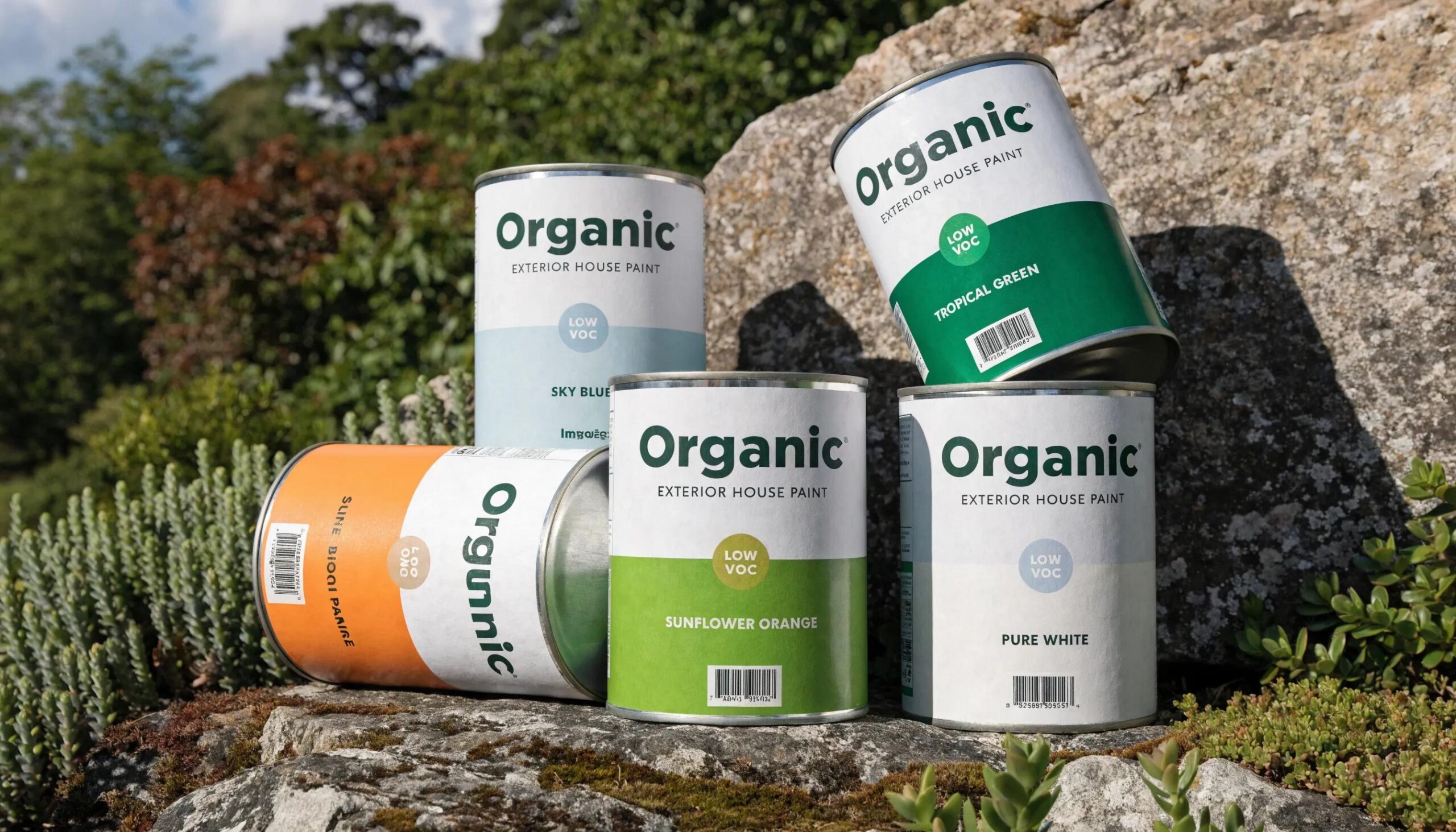
With growing environmental awareness, many homeowners are seeking eco-friendly and low VOC (Volatile Organic Compound) paint options.
- Overview of Eco-Friendly Paints: These paints are formulated without harmful chemicals, making them safer for both the environment and indoor air quality.
- Low VOC Certification Importance: Choosing paints with low VOCs helps reduce air pollution and is better for health.
By selecting eco-friendly options, homeowners can enjoy beautiful exteriors while also protecting their health and the environment.
How Does Surface Preparation Influence Exterior Paint Longevity?
Surface preparation is fundamental to the success of an exterior paint job. It ensures that the paint adheres properly, enhancing its durability and lifespan.
Preparation Methods
Effective surface preparation includes several critical steps:
- Thorough Cleaning: Removing contaminants like dirt or mildew ensures proper adhesion.
- Repairing Damaged Areas: Addressing cracks or peeling surfaces before painting can prevent future issues.
- Applying Primers: Using suitable primers can enhance adhesion, especially on porous surfaces.
A meticulous preparation process sets the foundation for a successful paint application, ultimately affecting its longevity.
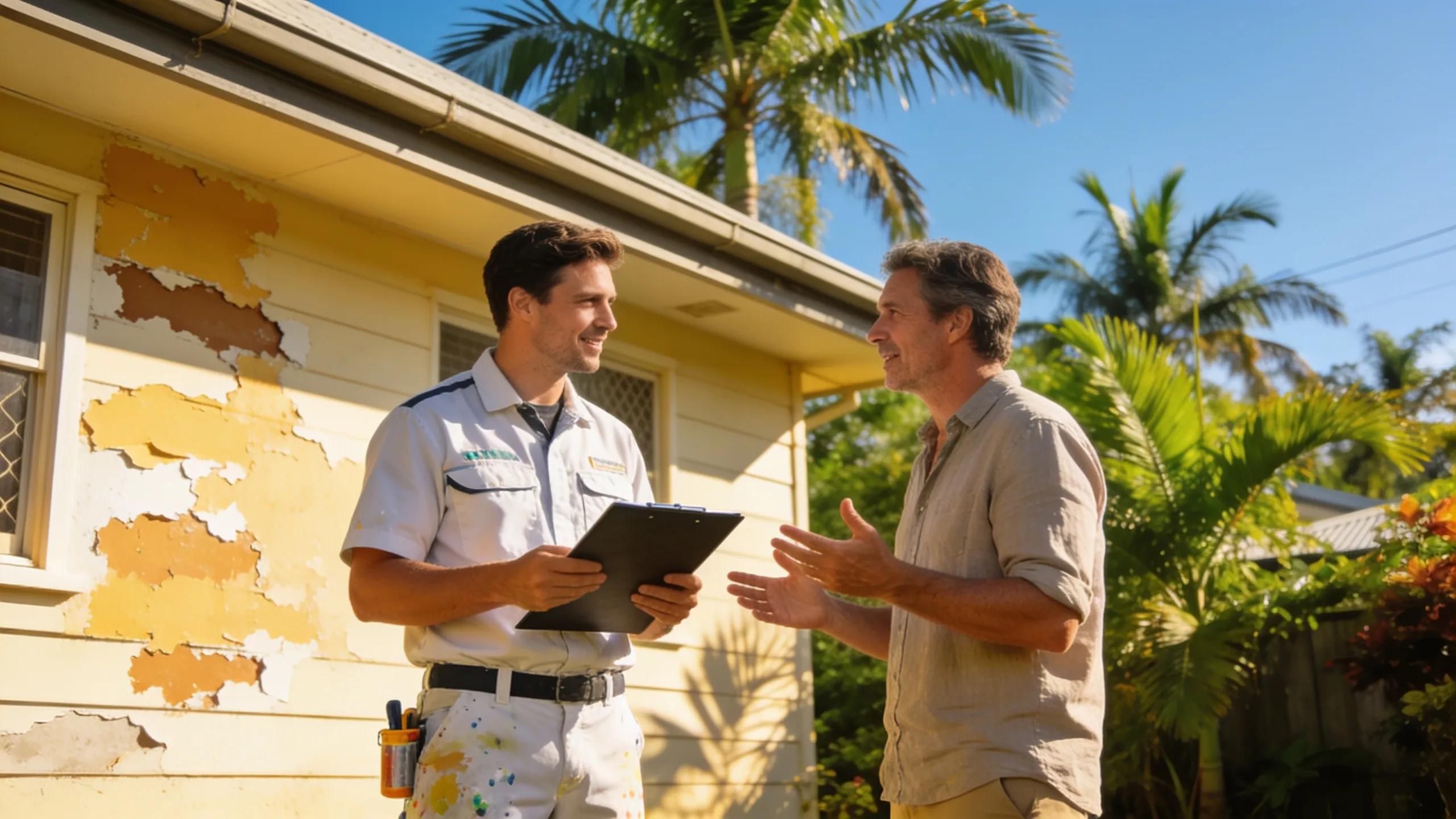
Why Is Professional Surface Prep Crucial for Long-Lasting Exterior Paint?
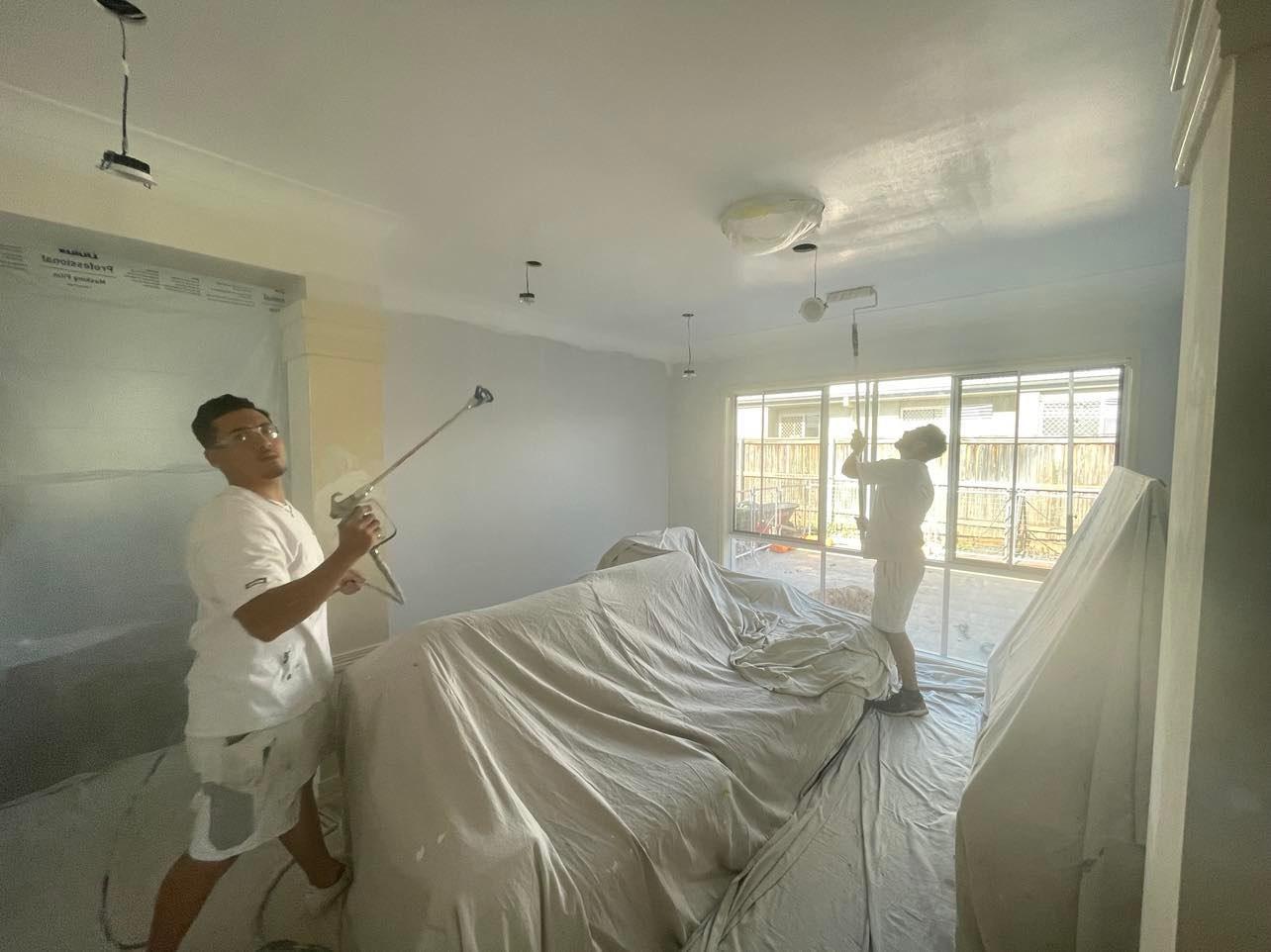
Investing in professional surface preparation is often essential for achieving long-lasting results. Professionals possess the tools and expertise needed to ensure meticulous preparation, which can significantly improve paint performance.
- Expert Techniques: Professionals use specialized methods that enhance adhesion and longevity.
- Time-Saving Qualities: Hiring experts can help homeowners save time while ensuring high-quality results.
- Long-Term Benefits: Properly prepared surfaces lead to fewer maintenance issues down the line.
For these reasons, selecting a qualified service provider for surface preparation can be a worthwhile investment.
What Maintenance Tips Prolong Exterior Paint Life in Brisbane and Gold Coast?
Regular maintenance practices can significantly extend the life of exterior paint. Here are essential tips for homeowners:
- Regular Cleaning: Washing surfaces can remove dirt and mildew that may degrade the paint over time.
- Timely Repairs: Addressing any cracks or peeling promptly can prevent more significant issues.
- Using Quality Products: Ensure that any repair or cleaning product is suitable for your exterior surfaces.
Incorporating these practices as part of a maintenance routine will help ensure your paint job lasts as long as possible.
How Often Should Exterior Paint Be Inspected and Reapplied Locally?
Understanding when to inspect and potentially repaint exterior surfaces is crucial to maintaining their appearance and durability.
- Inspection Frequency Recommendations: Check your paint job at least once a year for any signs of wear or damage.
- Reapplication Timelines: It’s generally advised to plan for repainting every 5-10 years, depending on wear and environmental exposure.
- Indications for Repainting: Signs such as fading, cracking, or peeling indicate it’s time to consider a fresh coat of paint.
Regular inspections and timely reapplications can protect your investment and prolong the life of your exterior surfaces.
What Routine Cleaning and Repair Practices Help Extend Paint Durability?
To maximize the durability of exterior paint, establish a routine for cleaning and maintenance. Implementing effective cleaning methods should include:
- Effective Cleaning Methods: Use a soft brush and mild detergent to clean painted surfaces every six months, especially in high-moisture areas prone to mildew.
- Best Practices for Repairs: Promptly address any chips or cracks with appropriate caulk or paint to minimize exposure to moisture and prevent mold growth.
- Frequency of Maintenance: Regularly scheduled maintenance check-ups can help catch issues early and maintain paint integrity.
These proactive steps will help maintain the fresh look and integrity of painted surfaces throughout the years.
How to Choose the Best Professional Exterior Painters in Brisbane?
Selecting a qualified exterior painter can impact the overall outcome of your project. Here are some tips for making the best choice:
- Key Qualifications to Look For: Ensure the painter has the necessary licenses and insurance for the job.
- Questions to Ask Potential Painters: Inquire about previous work examples, their preparation methods, and warranties.
- Evaluating Painter Reliability: Look for reviews or testimonials to gauge the quality of their work and reliability.
By conducting thorough research, homeowners can find reliable professionals who can deliver quality workmanship.
What Qualifications and Certifications Should You Look for in Exterior Painters?
When hiring exterior painters, it is essential to verify their qualifications to ensure a job well done.
- Importance of Licensing: Ensure painters are licensed to operate in your state, which indicates compliance with local regulations.
- Relevance of Insurance and Certifications: Check for workers’ compensation insurance and relevant certifications to ensure safety and professionalism.
Taking these steps can help mitigate risks and ensure quality workmanship.
What Questions Should You Ask Painters About Paint Longevity and Warranty?
Before finalizing a painter for your exterior job, it is vital to inquire about specific topics related to longevity and warranties.
- Understanding Warranties: Ask about the warranty terms covering the paint and workmanship.
- Maintenance Requirements: Clarify if any specific maintenance practices are required to uphold the warranty.
- Expected Paint Lifespan: Learn about the expected longevity of the product they plan to use under local conditions.
These questions can provide insight into what to expect from the painters and help ensure you make an informed decision. For more information on contacting professionals, you can see their contact details.